The Gift That Isn’t an Object: Why Experiences Beat Stuff This Father's Day
If you’ve ever spent an hour scrolling through gift ideas for a father figure—a dad, a step-dad, or the man who just is your rock—you know the specific kind of mental exhaustion that comes with it. You want to find something meaningful, something unique, and yet, every suggestion feels either too generic or utterly wrong.
Maybe you’ve bought him another gadget he already has five versions of. Maybe you’ve settled for a nice bottle of whiskey, knowing it will sit in the back of his cabinet until next year. You worry that whatever you purchase will just become stuff—an item to be stored, forgotten, or eventually replaced by a better model.
The question, "Why do men prefer experience gifts over physical items?" isn't really about gender preferences; it’s about human psychology and the deepest human need for meaning. It’s about what truly makes us feel alive: connection, novelty, and growth. When we talk about experiences, we aren't talking about a luxury—we are talking about currency. And that currency is time.

Here is why shifting your gift-giving mindset from purchasing to planning can make Father’s Day unforgettable.
The Problem with Possessions: They Have an End Date
A physical item, no matter how expensive or beautifully curated, has a defined lifespan and a predictable outcome. A pair of nice socks get lost in the laundry. A fancy grill eventually gets rusty. A book, once read, returns to the shelf. Their value depreciates over time, both literally and emotionally.
Experiences, on the other hand, are non-depreciating assets. They don't lose their worth; More help they multiply it every time you recall them. When you give him a gift that results in a shared memory—like tickets to see his favorite band, or a weekend trip to a brewery he’s always wanted to visit—you aren't giving him an item; you are giving him narrative material.
Think of physical gifts as footnotes in a life story. Experiences? Those are the chapters.
The Deep Need for Novelty: Escaping the Pattern
Routine, while comforting, can be soul-draining. For many men—and people of all genders—the greatest gift is often a temporary escape from their daily roles. They don't want a reminder of how hardworking they are; they want to remember who they are when they aren't working so hard.
They crave novelty. A new skill, an unfamiliar place, or simply doing something completely outside the usual orbit of family life can Gift Shop be incredibly rejuvenating. It’s not that he doesn't appreciate a nice watch; it’s that sometimes, what he really wants is to feel like a different person for a day.
I remember planning a gift for my dad years ago who was deeply resistant to "fun" gifts. I thought we needed another piece of tech. Instead, I booked us a private lesson learning how to play a difficult set of Cuban cigars and craft cocktails. By the time we were halfway through the session, he wasn't talking about his quarterly reports; he was laughing at my inability to properly cut an orange garnish. That moment—the shared absurdity—was infinitely more valuable than any object I could have wrapped for him.
When Gifts Become Shared Attention: The Power of "Us"
Perhaps the most important reason experiences resonate is that they are inherently relational. Giving a physical gift can sometimes feel like solving a problem ("He needs new shoes"). Giving an experience, especially one you participate in, forces connection and shared focus. It shifts the dynamic from giver-to-receiver to us-together.
When you plan something—a gourmet grilling day complete with specialized rubs and unique cuts of meat, or a curated hamper for a tasting event at home—you are saying: "I see you, I appreciate your taste, and I want to spend focused time with you." That attention is the ultimate luxury.
Consider this thought experiment: Which gift leaves him talking about it months later? The new gadget that occasionally glitches, or the perfect roast dinner enjoyed while listening to music you curated for the evening? The answer almost always points to the shared moment.
Feeding the Soul, Not Just the Closet
Beyond novelty and connection lies a more philosophical point: the human drive for self-actualization. People value gifts that feed their identity—whether that’s through a hobby, an interest, or a mastery of a skill.
If he loves woodworking, buying him a beautiful new bench is nice, but giving him a weekend workshop and the materials required to build something specific creates lasting fulfillment. He gets the object and the accomplishment. The experience validates his passion; it doesn't just store it away.
As one behavioral economist noted, "We tend to value what we acquire through effort more than what is simply given to us." Experiences require effort—planning, traveling, participating—and that shared effort gives them a deeper emotional resonance.
Crafting the Unforgettable Day
So, how do you move from thinking about things to planning moments? The key is observing his interests with curiosity, not obligation. Don't ask, "What does he need?" Ask, " What does he get genuinely excited talking about when nobody else is around?"
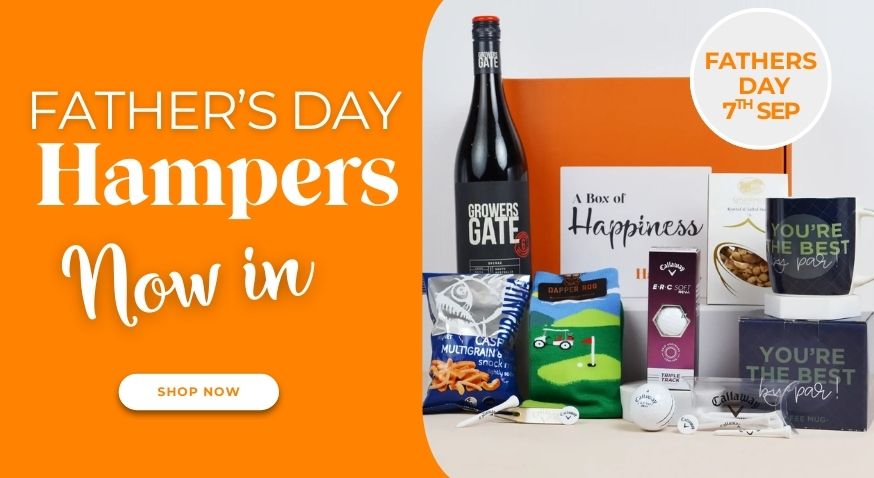
Is it the smoky aroma of a specific type of wood? Is it the precise pairing of notes in a dark rum? Is it the challenge of mastering a new recipe? Those are your clues. They tell you where to build an experience, whether that means curating a gourmet tasting hamper for a sophisticated evening at home, or booking him a day out on the water with specialized gear and snacks.
The most thoughtful Father's Day tribute won't be measured by its price tag; it will be measured by the depth of the laughter shared while using it. Start planning not a gift package, but a story.