When Should I Start Planning Father’s Day Gifts? The Anti-Anxiety Guide
If you are reading this, chances are you are Chocolate Gift Box already feeling it—that subtle, growing hum of gift anxiety. You might be staring blankly into the abyss of Amazon Prime search results, wondering if your idea is good enough. Is a nice bottle of coffee enough? Does he prefer socks or a beard oil kit?
If that internal dialogue sounds familiar, take a deep breath. Because when it comes to Father’s Day, the biggest mistake isn't buying the wrong thing; it's letting the planning process itself become a source of stress. This article is not going to give you a single date—it’s more complex than that.
The real answer to "when should I start?" is: as soon as you carve out ten minutes to think about what he genuinely enjoys, rather than what you think he should enjoy.
Why Timing Is Less About the Calendar and More About the Mindset
Most people treat gift planning like race against time. They wait until late March or April, frantically scrolling through last-minute ideas while simultaneously avoiding shopping Check out here altogether because it feels overwhelming. This rush creates pressure, leading to gifts that feel transactional rather than thoughtful.
A successful Father’s Day plan is a mental one first. It's about shifting the focus from "What should I buy?" to " What memory do I want us to create this weekend?"
Think of planning like baking a cake. You don't wait until the hour before serving time to gather all your ingredients, preheat the oven, and read the instructions. You plan those steps days in advance so that when it’s crunch time, you can move smoothly and effortlessly. Your gift is the delicious final product; the planning is the smooth process that gets you there without a meltdown.
Three Strategic Timelines for Different Types of Gestures
Instead of one universal "start date," let's break down your planning based on the scope of effort you want to give. This helps manage expectations and stress levels.
🗓️ The Early Bird (6–8 Weeks Out)
This is the sweet spot for deep, meaningful, or complex purchases. If your goal is high perceived effort with low actual stress, start here.
Ideal For: Experiences, Custom Items, and Travel.
- Why now? Things like booking a specific restaurant reservation (especially one that requires pre-payment), planning an outing to a local brewery, or ordering personalized engraved items often require lead time.
- Action Step: Researching is the main activity here. Look up local spots he might enjoy; save links and notes on different types of gift baskets—you aren't buying yet, you are curating ideas.
🗓️ The Mid-Planner (2–3 Weeks Out)
This timeline works for highly curated physical gifts or semi-scheduled events. You have enough time to shop the items but not so much that you get overwhelmed by choices.
Ideal For: The Curated Basket/Hamper, Hobby Supplies.
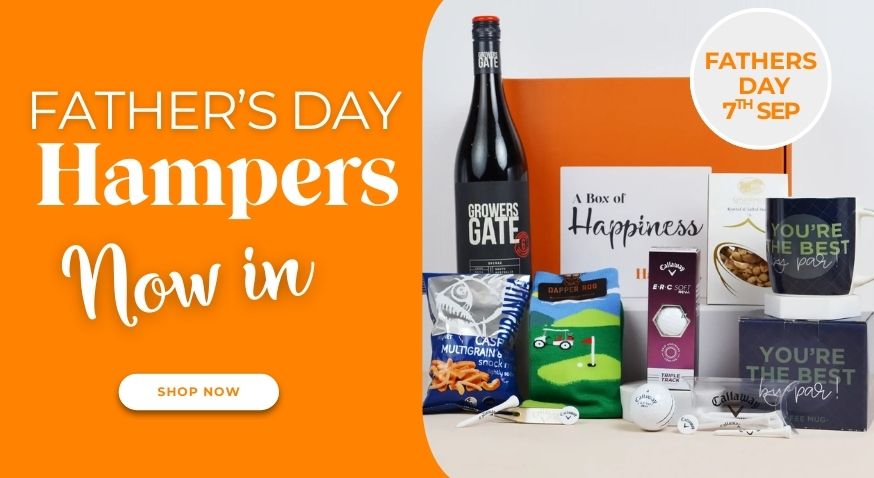
- If you decide a gourmet snack hamper is perfect, this is when you can compare local artisan shops versus major retailers and ensure all components arrive together.
- This window allows you to secure specific brands or limited-edition items without panicking.
🗓️ The Day-Of Genius (Last Minute)
We've all been there: the panic attack, the last-minute trip to Target, buying something generic that doesn't quite hit the mark. While sometimes unavoidable, these purchases are inherently stressful because they lack the emotional foundation of pre-planning.
When to use this: Only for truly spontaneous, low-stakes items (like a new book from a local bookstore or a fun pair of novelty socks). If you feel yourself entering this zone, take a deep breath and circle back to your "memory" goal—what will make him smile right now?
Three Ways to Beat Gift Anxiety Without Spending Hours Shopping
The true secret weapon in Father's Day planning isn't time; it’s strategic curation. This means making the gift feel highly personalized and requiring thought, even if the purchase itself was quick.
Here are three low-effort, high-impact approaches that take the pressure off:
- The "Experience Voucher": Instead of buying an item, buy a promise. This could be a certificate for a "Dad & Me Movie Marathon Night" (where you handle all the popcorn and snacks), or a voucher for him to choose dinner at any local spot he wants. These require zero physical inventory and maximum emotional payoff.
- The Thematic Basket: Don't just throw random things in a box. Give it a theme that speaks directly to his interests—a "Whiskey Tasting Survival Kit" (with specific, paired snacks) or a "Backyard Relaxation Bundle." This shows effort because you are telling a story with the items.
- The Nostalgia Dive: Dig into old family photos and find funny memories. Pair those printed photos with an item that relates to them—maybe a gift card to the local baseball field where those pictures were taken, or a framed piece of art referencing a shared inside joke.
"The best gifts are not things; they are moments." — A quote often attributed to various gift experts.

This idea is particularly helpful because it shifts your focus from spending money to spending time (even if that time is just for the thoughtful selection process).
The Gift of Presence: What Really Matters
If you find yourself paralyzed by choice, try this mental exercise: Think about a few moments in his life over the last year. Was there something he complained about? Something he didn't complain about but seemed to enjoy quietly?
A friend once told me she was struggling with finding a gift for her father-in-law who "has everything." She finally stopped looking at stores and started talking to him about his favorite routine. He mentioned how much he loved the specific, slightly burnt coffee from a tiny corner shop near his office every morning. That simple observation led her not to buy a fancy espresso machine, but to buy a gift card for that specific shop, along with a handwritten note detailing why she remembered it.
It was the detail—the specificity of the small, seemingly insignificant routine—that made the gift perfect.
The most valuable thing you can give him is the feeling of being seen; understood. That recognition is a far more luxurious commodity than any gadget or garment.
As we move closer to Father’s Day weekend, remember that preparedness doesn't mean panic-buying. It means cultivating awareness—awareness of his subtle desires, awareness of your own bandwidth, and most importantly, awareness of the shared moments you want to build together. Start by thinking about those moments, and the rest—the planning, the shopping, the wrapping—will fall into place with a surprising sense of calm.